Minimal Cactus Embroidery Design Review
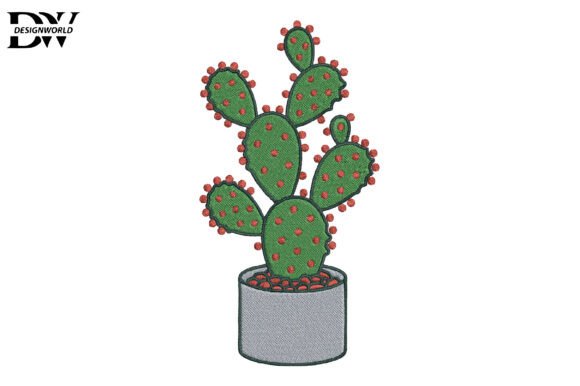
In a sea of overly intricate floral patterns and heavy, dense stitching, finding a design that actually breathes is rare. I have spent years reviewing embroidery files for everything from boutique branding to personalized gifts, and the first thing I look for is clarity. When I pulled up the Minimal Cactus Embroidery Design, my initial reaction was one of relief. It doesn't scream for attention; it whispers with confidence. This piece belongs to the Single Flowers category, yet it manages to stand out because it understands the power of negative space.
The aesthetic is undeniably modern. The description promises a "trendy desert-inspired style," and it delivers without feeling like a cliché tourist souvenir. Instead of trying to replicate every spine and leaf in hyper-realistic detail, this pattern captures the essence of a succulent. It feels calm, clean, and incredibly versatile. For a designer or small business owner, that versatility is gold. It suggests a design that can sit quietly on a tote bag or pop as a focal point on a sweatshirt without overwhelming the wearer.
Real-World Application: From Digital File to Finished Product
I recently tested this design for a specific scenario: creating a line of custom embroidered aprons for a local coffee shop that wanted to gift them to staff during the holiday season. The goal was something professional but warm, avoiding the stiff, corporate look that often plagues uniform embroidery. I loaded the machine embroidery design into my hoop, selected a high-quality cotton canvas, and stitched.
The result was immediate. The lines were crisp, and the minimal nature of the cactus meant there were no awkward gaps or loose threads that often plague simpler designs. It looked intentional. On the dark navy apron, the white thread popped beautifully, while on a lighter oatmeal canvas, the design felt soft and inviting. This is exactly the kind of embroidery project outcome that builds customer trust. When a client sees a finished product that looks professionally executed, they assume the entire brand is reliable.
This design also shines when applied to smaller items where space is at a premium. Imagine placing it on a baby onesie or a tiny patch for a denim jacket. Because the layout is streamlined, it avoids the "cluttered" look that happens when you try to force a large, complex image into a small area. It works naturally as a tote bag design too, sitting perfectly near the seam or centered on the front panel. The clean lines ensure that even after washing, the design retains its shape and character.
Stitch Quality and Fabric Compatibility
When evaluating any digital embroidery file, stitch density is the make-or-break factor. In this case, the balance between satin stitches and fill stitches feels well-calibrated. The edges of the cactus are defined by a smooth satin stitch that prevents fraying, while the body uses a fill stitch that provides just enough texture to show depth without looking heavy. However, experience teaches us that not all fabrics play nice with every design.
If you are planning to use this on stretchy fabrics like jersey t-shirts or thin materials, proceed with caution. While the minimal design helps, the stability of the fabric matters more than the design itself. You will need a proper stabilizer to prevent puckering, especially if you are working on a curved surface like a cap or a hat. The design does not have deep, aggressive curves that would snag easily, but the tension needs to be spot-on. I recommend testing on scrap fabric first to dial in your tension settings.
Dark fabrics present another consideration. While the contrast is generally good, the simplicity of the cactus means it relies heavily on thread color choice. A standard white thread might get lost on a black background depending on the lighting. I suggest experimenting with metallic or contrasting thread colors to elevate the visual appeal. If you are selling these as handmade products, the thread choice becomes part of your unique value proposition.
Strategic Use Cases for Designers and Sellers
For those running a craft business or an Etsy shop, understanding where this design fits in your catalog is crucial. The Minimal Cactus Embroidery Design is not just a pretty picture; it is a tool for building a cohesive brand identity. Its clean lines align perfectly with modern trends in home decor and apparel. Think about pillow covers, kitchen towels, or nursery decor. The calming vibe of the cactus makes it ideal for baby items, offering a gender-neutral option that parents love.
It also serves as an excellent asset for commercial projects. Small shop owners often struggle with finding graphics that look expensive but are affordable to produce. This design strikes that balance. It allows you to create a finished product that feels premium without requiring hours of tedious stitching time. The efficiency of the design translates directly to profit margins, which is vital for sustainability in the handmade market.
However, there are areas where this design should be used carefully. Avoid using it on textured fabrics like thick wool or boucle unless you are confident in your machine's ability to handle the surface irregularities. The fine details might get swallowed by the texture of the material. Similarly, if you are designing a logo for a brand that requires extremely detailed lettering or complex gradients, this minimalist approach might not convey the necessary information. It is best suited for decorative accents rather than informational text-heavy layouts.
Practical Notes for the Embroidery Designer
Before you commit to a full production run, there are several technical steps you must take. First, always review the stitch density. If the design feels too sparse, it might look unfinished; if it is too dense, it could become stiff and uncomfortable. Check the file specifications to ensure the hoop size matches your intended project dimensions. A design meant for a 4x4 hoop will not work on a larger garment without resizing, which can alter the aspect ratio and ruin the aesthetic.
Thread color contrast is another critical factor. Test your design in both light and dark fabric mockups before finalizing. Sometimes a design looks perfect on a screen but loses definition in reality. If you are creating printable mockups for your Etsy listings, ensure the digital preview accurately reflects the texture and sheen of the actual thread. Buyers appreciate transparency, and accurate representations reduce returns and build reputation.
Licensing is non-negotiable. Before selling finished items featuring the Minimal Cactus Embroidery Design, confirm the license terms. Some embroidery files are for personal use only, while others allow commercial application. Violating these terms can lead to legal issues and damage your standing in the creative entrepreneur community. Always read the fine print regarding resale rights and digital distribution.
Final Thoughts on Visual Appeal and Value
The true test of any design is whether it adds value to the final product. In my experience, the Minimal Cactus Embroidery Design elevates the perceived quality of almost anything it touches. It transforms a plain tote bag into a stylish accessory and a simple sweatshirt into a statement piece. The lack of clutter allows the viewer to focus on the craftsmanship rather than the complexity of the image.
For hobbyists, it offers a satisfying project that yields professional results quickly. For sellers, it provides a reliable asset that can be scaled across multiple product lines. Whether you are making holiday embroidery gifts, wedding favors, or boutique branding, this design fits seamlessly into the narrative of modern, understated elegance. It proves that sometimes less is indeed more, provided the execution is precise and the context is right.
Ultimately, this design earns its place in a professional portfolio. It respects the medium of embroidery while embracing contemporary aesthetics. By paying attention to the nuances of fabric, thread, and stabilizer, you can turn this digital file into a tangible masterpiece that customers will cherish. Just remember to test thoroughly, respect the licensing, and let the clean lines of the cactus do the talking.