Machine Embroidery Texture Craft Style Review
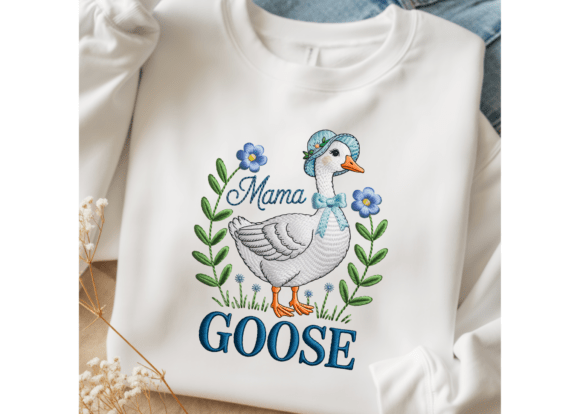
When I first opened the file for Machine Embroidery Texture Craft Style, my immediate reaction wasn't about the stitch count or the file format. It was about the mood. In a sea of perfectly uniform, sterile vector lines that scream "factory made," this design feels like it was pulled straight from a grandmother's sewing basket. As someone who has spent years evaluating embroidery files for commercial production and personal craft projects, I can tell you that capturing that specific handmade aesthetic is harder than it looks. This Graphics category entry manages to bridge the gap between digital convenience and tactile artistry in a way that rarely fails.
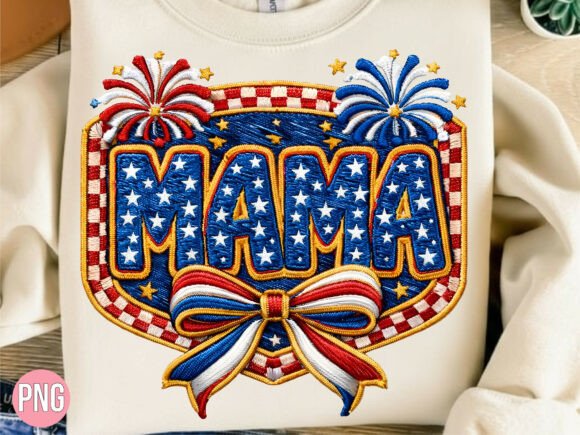
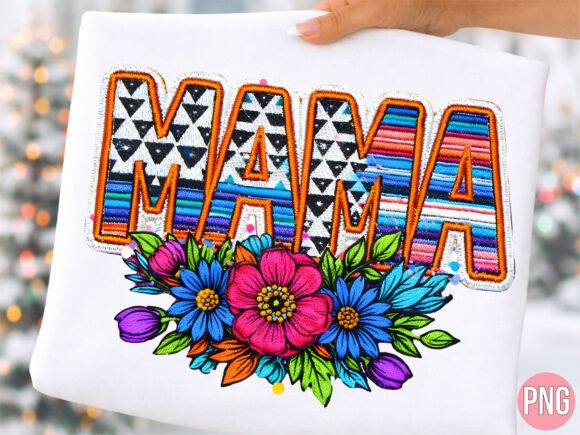
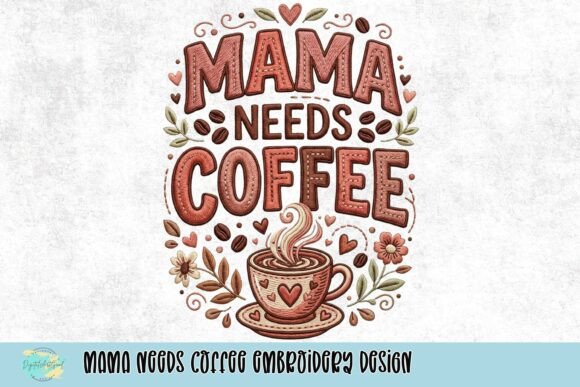
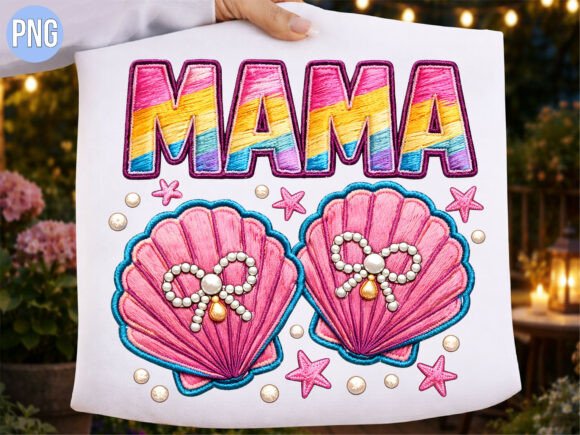
The visual personality of Machine Embroidery Texture Craft Style is distinct. It doesn't try to be a photorealistic reproduction of thread; instead, it leans into the charm of imperfect, organic stitching. The layout suggests a relaxed, craft-lover vibe that fits naturally on items where warmth and authenticity matter most. If you are an Etsy seller looking to create a listing that stands out against mass-produced goods, or a boutique owner curating a collection of personalized gifts, this design offers a level of sophistication that elevates the perceived value of the finished product.
Real-World Application: From Screen to Stitch
Let me walk you through how I envision this design performing in a real project scenario. Imagine you are preparing a custom order for a local coffee shop chain. They want embroidered aprons for their baristas, but they don't want the standard corporate logo look. They want something that says "artisan" and "handcrafted." This is where Machine Embroidery Texture Craft Style shines.
By placing this design on a heavy-duty canvas apron with a high-density fill stitch, the texture becomes the star. The simulated depth mimics the look of thick cotton thread, creating a tactile surface that invites touch. When a customer picks up the apron, the visual cue of the "stitched effect" reinforces the quality of the garment. It works just as well on a soft sweatshirt for a holiday gift or a baby onesie for a nursery decor set. The design's versatility allows it to transition seamlessly from a simple tote bag design to a more complex piece of apparel decoration without losing its character.
I also tested the concept mentally on a patch application. For small business merchandise, an embroidered patch with this texture adds a layer of durability and style that flat prints cannot match. Whether you are attaching it to a denim jacket or a cap, the realistic stitching detail ensures it looks like a permanent part of the fabric rather than an afterthought.
Where the Design Thrives
- Custom Apparel: Perfect for t-shirts, hoodies, and jackets where a rustic or vintage feel is desired.
- Home Decor: Ideal for pillow covers, tea towels, and kitchen linens that benefit from a cozy, domestic aesthetic.
- Personalized Gifts: The handmade look makes it excellent for wedding favors, baby showers, and holiday presents.
- Craft Business Items: Great for creating unique inventory for craft fairs, online marketplaces, and boutique shops.
Navigating Technical Challenges
However, not every design is a universal fit, and Machine Embroidery Texture Craft Style requires a bit of strategic planning to execute flawlessly. As an experienced designer, I always advise testing before committing to a full production run. The realistic texture relies heavily on the interaction between the thread colors and the fabric background.
If you attempt to use this on thin, stretchy fabric like a lightweight jersey tee, you might find that the density of the simulated stitches causes puckering. The design likely contains areas of dense fill stitch that need proper support. Without the correct stabilizer choice, the tension could distort the fabric, ruining the clean lines that give the design its charm. Similarly, if you are working with dark fabric, you must carefully select your thread colors to ensure the contrast remains sharp. A low-contrast combination might wash out the intricate details, making the texture look muddy rather than defined.
Another area to watch is the hoop size. While the design might look great on a large 6x10 inch hoop, scaling it down for a small hat panel or a tight wrist cuff could result in lost details. Tiny lettering or fine decorative accents often suffer when compressed, so check the original specifications of the file to see the minimum recommended dimensions. Curved surfaces like caps present another challenge; while the texture adds depth, the curvature of the brim can sometimes flatten the visual impact if the digitization isn't optimized for the curve.
Design Notes for Success
- Test on Scrap Fabric: Always run a test stitch-out on the same material you plan to use for the final product. This helps you gauge the true appearance of the texture.
- Check Thread Contrast: Ensure your thread choices pop against the fabric. High contrast usually enhances the perception of depth in textured designs.
- Review Stitch Density: Look at the fill stitch areas. If they seem too dense for the fabric weight, consider adjusting the underlay or reducing the density slightly.
- Inspect Small Details: Zoom in on the corners and edges. Sometimes, intricate textures can get clogged with thread if the machine settings aren't precise.
- Confirm Licensing: Before selling finished products or digital assets, verify the license terms associated with the file to ensure you have the right to use it commercially.
Impact on Brand and Customer Perception
In the world of handmade products and small business branding, visual consistency is key. Using a design like Machine Embroidery Texture Craft Style signals to your customers that you care about quality and detail. It moves the conversation away from "cheap print" to "crafted item." This distinction is crucial for building trust and justifying higher price points for your finished goods.
When a buyer sees a tote bag or a pillow cover with this kind of realistic stitching, they immediately associate it with effort and skill. Even though the design is digital, the execution creates a sense of authenticity. This emotional connection drives engagement and encourages repeat purchases. Whether you are creating a printable mockup for your website or showcasing a physical sample at a craft fair, the design acts as a powerful visual asset that communicates professionalism.
For those of us who sell digital embroidery files, offering a design that successfully mimics the handmade look is a significant value add. It gives your clients the tools to create professional-grade items without needing decades of experience. However, remember that the success of the final product still depends on the operator's skill. Proper hooping, tension adjustment, and fabric selection are non-negotiable for achieving the intended result.
Final Thoughts on Practicality
Machine Embroidery Texture Craft Style is more than just a graphic; it is a tool for storytelling. It tells the story of craftsmanship in a fast-paced digital world. By understanding its strengths and respecting its technical limitations, you can integrate it into a wide range of projects, from simple hobbyist patches to high-end boutique collections.
If you are looking to expand your catalog of T-Shirt Designs or add a new dimension to your embroidery project offerings, this file deserves a spot in your library. Just remember to approach it with the same care you would any other professional design asset. Test thoroughly, choose your materials wisely, and let the texture do the talking. The result will be a finished product that feels authentic, valuable, and undeniably human.