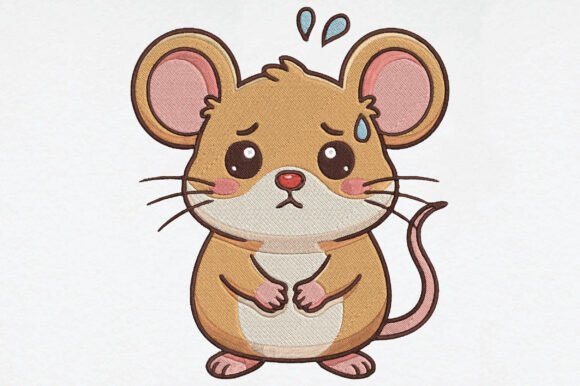
Cute Mouse Embroidery: A Designer's Real-World Review
When I first opened the file for Cute Mouse Embroidery, my initial reaction wasn't just about how adorable it looked on screen. As someone who spends hours evaluating digital assets for client work and personal boutique lines, I immediately started thinking about the physical reality of stitching this design. In the world of machine embroidery design, a screenshot can be deceiving, but the true test lies in how the threads behave on fabric, how the stitches hold up after washing, and whether the final piece feels like a premium handmade product or a cheap mass-produced item.
This review is based on a practical evaluation of the design's potential for real projects, specifically focusing on its viability for small business owners, Etsy sellers, and creative entrepreneurs looking to add value to their inventory. The goal here is not to sell you a file, but to provide an honest assessment of how Cute Mouse Embroidery performs when moved from the computer to the hoop.
The First Impression: Mood and Visual Personality
The design immediately establishes a playful, cartoon-style aesthetic that screams "child-friendly." Unlike stiff, corporate animal motifs, this piece exudes warmth and approachability. The shape is rounded and soft, which naturally translates well into embroidery because there are no sharp, jagged edges that might snag or distort during the stitching process. For a designer, this is a huge plus; it suggests a forgiving nature when working with different fabrics.
The visual personality of Cute Mouse Embroidery is distinct. It doesn't try to be realistic; instead, it leans into charm. This makes it incredibly versatile for specific niches. If you are targeting parents, grandparents, or anyone involved in nursery decor, the mood hits the mark perfectly. It creates an instant emotional connection before the customer even sees the finished texture. However, this playfulness also dictates where it should not be used. It would feel out of place on a high-end leather jacket or a minimalist corporate uniform. Its home is clearly in the realm of casual wear, baby items, and cozy home goods.
Real-World Application: From Screen to Stitch
Let's imagine a concrete scenario. You are preparing for a holiday craft fair or launching a new line of personalized gifts for your online shop. You decide to create a custom embroidered tote bag featuring Cute Mouse Embroidery. The concept is simple: a sturdy canvas bag with the mouse stitched in the center, perhaps holding a tiny carrot or sitting next to a garden patch.
In this context, the design shines. The stitch density appears balanced, avoiding the "pillow effect" where too much thread builds up and makes the fabric stiff. When executed correctly on a medium-weight cotton canvas, the satin stitch areas (likely the outline or facial features) would provide a smooth, glossy finish that contrasts beautifully with the matte texture of the fabric. The fill stitch sections would lay flat, creating a solid block of color that looks intentional rather than messy.
I also considered using this design for a sweatshirt embroidery project. The slightly larger scale of a chest pocket or sleeve area allows the details of the mouse to breathe. The playful style works exceptionally well for kids' clothing, where durability is key. Parents want something that looks cute but can survive a few wash cycles without losing its shape. The design's clean lines suggest it will hold up well against agitation, provided the stabilizer is chosen correctly.
Where Caution Is Required
While Cute Mouse Embroidery is a strong contender for many applications, an experienced designer knows that every design has limitations. There are specific scenarios where this design might struggle if not handled with care.
- Small Hoop Sizes: If you attempt to stitch this on a very small accessory, like a cap brim or a tiny baby bib, the detail level might get lost. The eyes and whiskers could merge into a blur if the resolution isn't high enough for the reduced size. Always check the recommended hoop size before committing to a small project.
- Textured or Stretchy Fabrics: While great for canvas and cotton, applying this to highly textured fabrics like chunky knits or stretchy jersey without proper stabilization can lead to distortion. The curve of the mouse might warp, ruining the symmetry that gives the design its charm.
- Dense Stitch Areas: If the design includes dense fill areas, testing on scrap fabric is non-negotiable. On thin fabrics, heavy density can cause puckering, making the embroidery project look unprofessional. For dark fabrics, ensure the thread colors offer sufficient contrast; otherwise, the definition of the mouse's features will be lost.
- Frequent Washing: For items like aprons or kitchen towels that undergo frequent laundering, the longevity of the design depends heavily on the quality of the stitch density and the type of thread used. While the design itself is robust, the execution determines the lifespan of the finished product.
Impact on Product Value and Brand Perception
For Etsy sellers and small shop owners, the visual appeal of an embroidered item directly correlates to perceived value. A well-executed Cute Mouse Embroidery design elevates a basic tote bag or pillow cover into a unique, artisanal gift. The clarity of the stitches signals professionalism. Customers can tell the difference between a poorly digitized file that results in loose threads and gaps, and a high-quality design that sits flush and crisp.
Using this design consistently across a product line—such as matching baby onesies, nursery wall hangings, and gift tags—builds brand consistency. It creates a recognizable aesthetic that buyers can associate with quality and cuteness. When a customer receives a personalized gift featuring this design, the attention to detail fosters trust and encourages repeat purchases. It transforms a simple commodity into a memorable keepsake.
Practical Notes for the Designer
Before you start stitching, there are several technical steps you must take to ensure success. Do not skip these checks, especially if you plan to sell the finished items commercially.
- Test on Scrap Fabric: Always run a test stitch on a piece of the actual fabric you intend to use. This reveals issues with tension, puckering, or thread breakage that aren't visible on a screen.
- Check Thread Colors: Evaluate the default thread palette. Does it pop against your intended background? You may need to swap colors to match your brand's palette or to improve visibility on darker materials.
- Review Stitch Density: Inspect the design file for overly dense areas. If necessary, adjust the density settings in your embroidery software to prevent the fabric from becoming too stiff.
- Confirm Hoop Size: Ensure the design fits within your machine's hoop capabilities. If the design is too large, you may need to split it or resize it, which can alter the aspect ratio and ruin the character.
- Inspect Small Details: Zoom in on the eyes and nose. Are they clear? Will they stitch well on fine fabrics? Tiny details often require special attention to avoid disappearing.
- Verify Licensing: If you are selling finished products, confirm that your license allows for commercial use. Some designs are for personal use only, and violating these terms can lead to legal issues.
- Stabilizer Selection: Choose the right stabilizer for your fabric. Tear-away is standard for wovens, but cut-away is essential for stretchy fabrics to maintain the integrity of the embroidered patch or design over time.
In conclusion, Cute Mouse Embroidery is a charming addition to any collection of design assets. Its playful style and clean execution make it ideal for baby items, apparel, and home decor. However, like any digital embroidery file, its success depends on the skill of the operator and the appropriateness of the application. By following best practices and understanding the limitations of the design, you can create beautiful, high-value products that customers will love.