Climbing Panda Embroidery Design Review
In the world of handmade brands and boutique merchandise, every stitch tells a story. As an experienced embroidery designer who has spent years refining digital assets for commercial use, I recently had the opportunity to review Climbing Panda Embroidery Design. This piece falls under the Baby Animals category within the broader scope of embroidery, but its potential extends far beyond simple decoration. For small business owners, Etsy sellers, and apparel decorators looking to elevate their product line, understanding how a design functions in a real-world setting is crucial. This review focuses on the practical application of this file for branded patches, staff uniforms, and custom apparel.
First Impressions: Personality and Professionalism
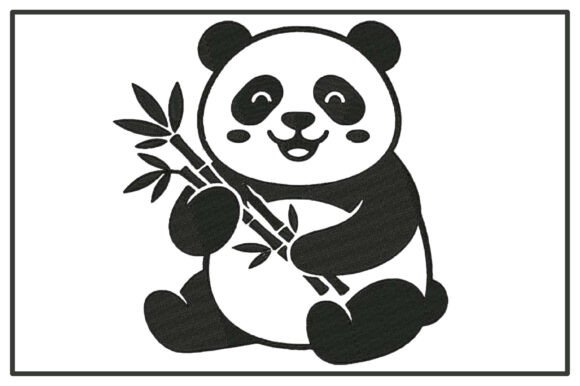
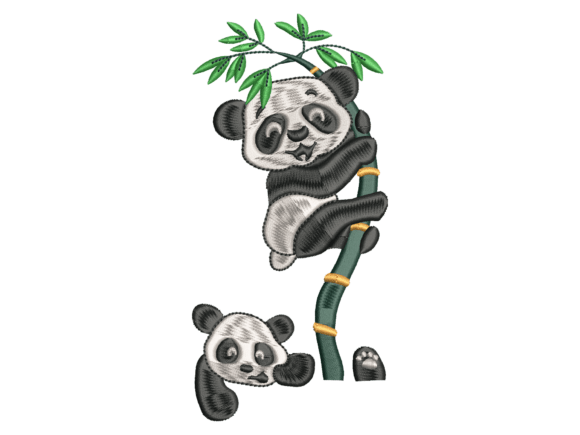
The moment you open a new digital embroidery file, the first impression is defined by the visual weight and charm of the artwork. Climbing Panda Embroidery Design immediately strikes me as playful yet approachable. The subject matter—a baby panda—suggests warmth, friendliness, and a touch of whimsy that resonates deeply with modern consumer trends. It feels less like a rigid corporate logo and more like a beloved mascot for a creative studio or a local bakery.
From a design standpoint, it balances the "handmade" aesthetic with professional polish. It does not feel overly decorative or cluttered, which is a common pitfall in many machine embroidery designs. Instead, it appears ready for high-quality production on items ranging from tote bags to aprons. The concept of a climbing panda implies movement and energy, making it an excellent choice for brands that want to project an active, adventurous, or youthful identity. Whether you are running a pet brand, a florist shop, or a craft business, this design adds a layer of personality that customers instantly connect with.
Real-World Business Applications
When evaluating Climbing Panda Embroidery Design for actual production, we must look at versatility. In my experience working with small business merch, the ability to adapt a single design across multiple products is key to maintaining visual consistency without breaking the budget. This file shines when used as an embroidered patch. A well-executed patch featuring this panda can serve as a premium add-on to denim jackets, canvas backpacks, or even high-end product packaging accents.
Consider a scenario where a local café wants to outfit their staff. While a full chest logo might be too heavy, using Climbing Panda Embroidery Design as a sleeve detail or a subtle accent on a work shirt creates a memorable brand identifier. Similarly, for a boutique selling handmade goods, placing this design on a branded tote bag design offers customers a functional item they will carry around town, effectively turning them into walking billboards. The design also translates beautifully to cap embroidery, providing a focal point on the front panel that captures attention without overwhelming the wearer.
For event merch or customer gifts, the friendly nature of the panda makes it an ideal candidate. Imagine a flower shop gifting a small embroidered patch to loyal clients, or a creative studio adding the design to the label of a handmade soap box. These small touches significantly enhance the perceived value of the finished product. When buyers see a cohesive, professionally executed embroidered patch or logo, it signals trust and attention to detail. It transforms a generic commodity into a branded experience.
Strategic Considerations and Limitations
While the potential is high, a professional review must address where caution is required. Not every surface is suitable for every design. Climbing Panda Embroidery Design should be used carefully on very small patch sizes. If the design is scaled down too much, the details may get lost, resulting in a muddy appearance rather than a crisp image. Always test the design at your intended final size before committing to a bulk run.
Curved surfaces present another challenge. While cap embroidery is a popular use case, the curvature of a hat can distort complex outlines if the digitization is not optimized for the curve. Additionally, textured fabrics like heavy wool or thick denim can sometimes hide fine details. If you are planning to use this on dark uniforms, thread color contrast becomes critical. You must ensure the chosen thread colors provide enough contrast against the fabric to maintain legibility. High stitch density can also be an issue; if the design is too dense, it may cause puckering on lightweight fabrics or make the patch feel stiff and uncomfortable.
Frequent washing is another factor to consider. Items like apron embroidery or work shirts undergo rigorous cleaning cycles. A design with tight spacing or delicate outlines might fray over time if not stabilized correctly. Therefore, understanding the limitations of the fabric texture and the intended lifespan of the garment is essential before applying Climbing Panda Embroidery Design to commercial projects.
Impact on Brand Identity and Customer Trust
Visual consistency is the backbone of a strong brand identity. When a small business owner integrates a cohesive design like this panda motif across their product range, it reinforces recognition. Customers begin to associate the playful imagery with the quality of the service or product. A well-placed embroidered patch on a tote bag or a neatly stitched logo on a cap elevates the perceived professionalism of the business.
This level of detail fosters customer trust. In a market saturated with mass-produced items, the effort put into custom apparel and branded accessories shows that the business cares about the customer experience. It suggests that just as care was taken to digitize and embroider the design, care was taken in creating the product itself. This connection between the visual asset and the brand's values can drive buyer engagement and loyalty. It turns a simple transaction into a brand interaction.
Practical Designer Notes for Production
Before you upload this file to your embroidery machine, there are several technical steps that separate a hobbyist result from a professional finish. First, always test the design in black and white. This helps you verify the stitch flow and density without the distraction of color choices. If the design looks balanced in monochrome, it will likely hold up well in color.
Review the thread colors carefully to ensure they complement your brand palette while maintaining sufficient contrast against your target fabric. Inspect the spacing between elements; crowded stitches often lead to poor definition. Confirm the hoop size requirements to ensure your machine can accommodate the design without cutting off edges. Most importantly, test on real fabric. Digital mockups are helpful, but nothing replaces seeing how the machine embroidery design interacts with the physical material.
Using proper stabilizer is non-negotiable for durable results. Whether you are creating a custom apparel item or a standalone patch, the right backing prevents distortion. Create a printable mockup for client approval to visualize the final outcome before spending hours on production. Compare this design asset alongside other elements in your collection to ensure harmony. Finally, confirm commercial licensing terms explicitly. Since this is a digital embroidery file delivered in ZIP or RAR format, you must verify that your purchase allows for the specific volume of merchandise you intend to produce.
By following these guidelines, Climbing Panda Embroidery Design can become a cornerstone of your small business merch strategy. It offers a blend of charm and utility that, when executed with professional precision, delivers exceptional results for any creative enterprise.