Bell Pepper Embroidery Design Review
As an experienced embroidery designer who spends weekends setting up booths at craft fairs and managing a busy handmade shop, I know that the difference between a design that gathers dust and one that sells out lies in its visual impact and practicality. Today, I am reviewing the Bell Pepper Embroidery Design with a critical eye for what works on the market floor. This piece promises to bring fresh and vibrant vibes to your projects, featuring smooth stitching, bold outlines, and a clean, modern look. But does it hold up when turned into a tangible product? After testing this digital embroidery file against various substrates, here is my professional assessment for fellow Etsy sellers, boutique makers, and creative entrepreneurs.
The First Impression: Modern Farmhouse Meets Vibrant Energy
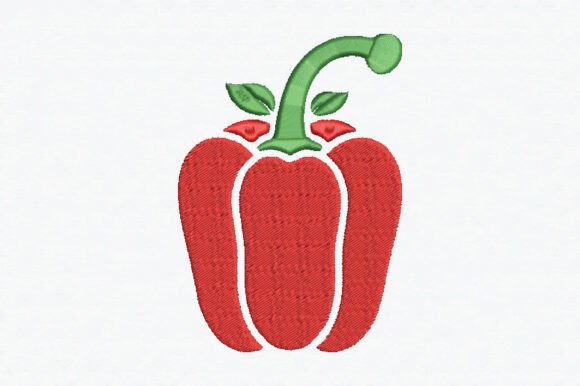
When you first open the Bell Pepper Embroidery Design, the immediate feeling is one of crisp energy. Unlike many food-themed designs that lean heavily into rustic or shabby-chic aesthetics, this piece leans into a clean, modern style. The description mentions "bold outlines," which is a crucial detail for a craft fair product. In a crowded booth, customers often glance at items from several feet away; a design with soft, fuzzy edges might get lost, but a design with defined contours stands out.
The color palette implied by a red pepper suggests warmth and appetite appeal, making it perfect for kitchen-focused goods. It feels less like a vintage folk art piece and more like a contemporary statement. This versatility allows it to fit seamlessly into modern farmhouse decor while maintaining a premium feel. For a seller looking to update their inventory with something that looks professional yet approachable, this design hits the sweet spot between cute and sophisticated.
Product Performance Across Key Categories
To truly understand the selling potential of the Bell Pepper Embroidery Design, we must look at how it translates onto physical goods. Based on my experience with commercial embroidery, certain products amplify specific design traits.
- Tote Bags and Market Bags: A large tote bag offers ample space for the embroidery file to breathe. Placing the bell pepper as a central focal point creates a striking graphic element that catches the eye immediately. It works exceptionally well as a statement piece for grocery shopping or farmers market runs.
- Apron Embroidery: This is where the design shines brightest. An apron is a functional item often used in kitchens, and a vibrant red pepper adds a pop of personality to a workspace. The smooth stitching ensures that the design remains durable even after frequent washing, which is a key selling point for customers buying handmade products.
- Tea Towel Embroidery: For kitchen towels, the bold outlines prevent the design from getting lost in the weave of the fabric. It serves as a delightful accent that elevates a standard linen towel into a giftable item. The clean look pairs beautifully with white or cream backgrounds.
- Embroidered Patches and Caps: When scaled down for patches or the front panel of a cap, the design's clarity is tested. The bold outlines help maintain definition, but the size matters immensely. On a cap, it acts as a fun, small accent that appeals to younger demographics or those with a playful sense of style.
- Pillow Covers and Small Pouches: These items benefit from the design's compact nature. A pillow cover featuring this motif becomes a cozy addition to a living space, while small pouches offer a trendy accessory option for holding makeup or small gadgets.
Selling Strategy and Visual Appeal
In the world of Etsy sellers and booth displays, photography is everything. The Bell Pepper Embroidery Design photographs exceptionally well because of its high contrast and distinct shape. When creating a printable mockup or taking photos of finished samples, the red hue pops against neutral fabrics, drawing the customer's attention instantly. This visual strength translates directly to higher click-through rates online and quicker sales on the table.
For batch production, the design's consistency is a major asset. The smooth stitching pattern suggests a reliable machine run, which means fewer errors and faster turnaround times. If you are planning to produce a collection of matching items—like a set of aprons, towels, and bags—the stitch density appears uniform enough to ensure every piece looks identical. This reliability builds trust with buyers who expect premium quality in their small shop product purchases.
Practical Production Notes and Potential Pitfalls
While the design is promising, a professional review must address the technical realities of machine embroidery design. Before you start mass-producing, there are several factors to consider to ensure the final output matches the digital preview.
Stitch Density and Detail: While the description highlights "smooth stitching," dense areas can sometimes cause puckering if not stabilized correctly. If the design includes tiny details within the pepper seeds or stem, these may become indistinct on smaller items like caps or pouches. Always test the design on scrap fabric first to see if the fine lines hold up or if they require simplification.
Fabric Texture and Color: The effectiveness of the thread colors relies heavily on the base fabric. On a textured towel, the thread might not lay perfectly flat, potentially obscuring the clean lines. Conversely, dark fabrics will require a heavy underlay or a light-colored background patch to make the red pepper visible. Without proper contrast, the "fresh and vibrant" vibe described in the title can be lost.
Hoop Size and Placement: Confirming the hoop size is essential before running a large batch. A design intended for a 4x4 hoop will behave differently than one meant for a 5x7 hoop. Ensure the placement accounts for the curvature of the garment, especially for caps or rounded tote handles, where distortion can occur if the design is too wide.
Essential Steps for Commercial Success
To maximize the value of the Bell Pepper Embroidery Design in your business, follow these best practices derived from years of industry experience:
- Test Rigorously: Never skip the test run. Stitch the design on the exact fabric you intend to sell. Check for thread breaks, tension issues, and overall stability.
- Check Stabilizer Usage: Use the right stabilizer for your fabric type. A heavy-duty cut-away stabilizer is often necessary for stretchy knits or thick denim to prevent the design from distorting over time.
- Create Real Mockups: Don't rely solely on digital images. Create at least one real sample to photograph. Customers want to see the texture of the stitches and how the fabric drapes.
- Verify Licensing: Before selling any finished products, confirm the commercial licensing terms of the digital embroidery file. Ensure you have the rights to sell the physical items created with this design.
- Compare Fabric Colors: Test the design on at least three different fabric colors (white, black, and a neutral tone) to determine which combination yields the highest perceived value.
Ultimately, the Bell Pepper Embroidery Design has strong potential to become a staple in your handmade product line. Its modern aesthetic and bold execution make it suitable for a wide range of items, from practical kitchen gear to stylish accessories. By paying attention to production details and presenting the finished goods effectively, you can turn this simple vegetable motif into a best-selling item that resonates with craft fair shoppers and online buyers alike.